This web site provides free information on the medical and nutritional uses of some plants, survival tips and other useful information. We hope to add to this free information on a regular basis. Currently we have one hundred and forty articles.
Last update: 6 July 2021: Storm Crow survival has a particular interest in bears with a long-term aim of seeing and photographing all the surviving species in the wild. We aim to have articles on all the species and have already seen and photographed all species in captivity.
We have now opened our Walking in Britain Blog where we will be announcing updates to the site
7 April 2021: The Sun Bear is the smallest of all the bear species being on average only 28 inches at the shoulder with a weight of between 25 and 65 kgs.6
February 2021: The Red Panda is closely related to weasels, skunks and raccoons, with two known subspecies the Chinese Red Panda and the Himalayan Red Panda
28 May 2016: The two members of the genus Aix live in widely separate parts of the world. The Wood Duck is native to the eastern United States, while the Mandarin Duck lives in China and Japan.
17 April 2016: The Sandwich Tern (Sterna Sandvicensis) is one of the earliest winter migrants to return to the United Kingdom, and can be found around large parts of the British coast.
3 January 2016: We start the year with a gallery of pictures of Spider Webs, showing some of the variety to be found.
13 December 2015: The Red Panda is loosly related to weasels, raccoons and skunks
21 November 2015: This month we add another six pictures to our Common Toad gallery.
17 October 2015: Despite its name the Common Tern (Sterna Nirundo) is less common in Britain than the Arctic Tern, but it is the most wide-spread, being found around most of the coast and some way inland.
19 September 2015: The Arctic Tern (Sterna Paradisaea) migrates further than any other bird, spending the breeding season in the Arctic and the rest of the year in the Antarctic, spending most of its life when not actively migrating living in the polar summer.
14 June 2015: The genus Sterna now contains a group of medium sized white terns that live in coastal waters.
2 May 2015: Smaller and more agile than the Great Tit or Blue Tit, the Coal Tit is an adept feeder in conifers and a regular visitor to peanut feeders in British gardens.
12 April 2015: The Blue Tit is a bird feeder favourite and the most common member of the Tit family in the UK.
15 March 2015: The Shelducks (genus Tadorna), fall between most ducks and geese in size, reaching 50-60cm in length.
14 February 2015: This month we look at the two UK breeding larks - the Skylark and the less common Woodlark.
3 January 2015: Next we look at the Genus Cygnus (Swans) and the Mute Swan, the only resident breeding swan to be found in Britain
6 December 2014: We return to British Birds with a look at the two groups of Geese, the Genus Branta (Black Geese) and the Genus Anser (Grey Geese).
1 November 2014: This short but fairly steep walk takes us from Wasdale Head up to the summit of Illgill Head, the higher of the two fells that sit above the famous Wasdale Screes.
13 September 2014: This month we add a gallery for the Coal Tit.
7 June 2014: We add a new picture gallery for the Meadow Pipit, a common bird on the high fells
11 May 2014: The Yorkshire Wolds are perhaps the most scenic area in England without any legal protection, a area of chalk downs with wide open uplands cut into by winding steep sided valleys.
13 April 2014: The Lleyn Peninsula is one of Wales's hidden treasures, an isolated area of sandy beaches, varied towns and spectacular views, with a history as a centre of pilgrimage.
2 March 2014: This month we look at the North York Moors, one of the quieter of Britain's National Parks, but an area with vast areas of heather moorland and a stunning coast with attractive villages.
9 February 2014: Next we look at the Dales' northern neighbour, the wild North Pennines
4 January 2014: After a long gap we return to our introductions to areas of beauty, with a look at the Yorkshire Dales
15 December 2013: The walk from Hawkshead to Black Crag takes us past Tarn Howes to a splendid viewpoint, especially for Little Langdale, which is seen at full length.
27 October 2013: Today we add one of the quickest ways up Scafell Pike, via Lingmell from Wasdale Head.
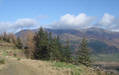
28 July 2013: Today we add eighteen new pictures of the Lake District
16 June 2013: This delightful walk takes us up High Rigg, the fell between the valley of St John's in the Vale and the main Ambleside-Keswick road.
5 May 2013: Today we open a picture gallery for St John's in the Vale, and add a clickable map for our walks in the Lake District.
21 April 2013: Green Crag sits just back from Eskdale, and isn't really seen from the valley, but it it a satisfyingly craggy summit, with great views towards the upper reaches of the valley and the circle of mountains that run from Scafell to Crinkle Crags.
2 March 2013: This short walk visits a quiet lower summit at the western end of Eskdale, Redbrow Bank, familiar to many who drive over the fell road to Ulpha, but from the lack of clear paths rarely visited on foot.
2 February 2013: Today we add a strenuous walk explores the ridge that links Great End and Scafell Pike
12 January 2013: Our first walk for 2013 is an ascent of Binsey, an outlying northern Lakeland fell with great views along Bassenthwaite and towards Keswick and Borrowdale.
16 December: This walk takes us up Gowbarrow Fell, a great example of a minor fell with much more to offer than its height might suggest.
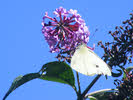
17 November: We open a Butterfly Picture Gallery
28 October: We add a series of new picture galleries - Adder, Slow Worm, Common Toad, Common Lizard and Beetles
8 September: We continue to expand our Birds Gallery
1 September: We add new pictures to our Birds Gallery and add a New Pictures gallery
26 August 2012: This walk explores the north-western shore of Windermere, visiting Far Sawrey, and passing a series of small tarns (most notably Moss Eccles Tarn), before heading into the woods that dominate this area, eventually returning along the lakeshore path.
8 July 2012: Loughrigg is one of the shorter fells, just over 1,000ft high, but its position is superb - it is only linked to higher ground to the west, and even there a deep valley separates it from a ridge that leads up to the Langdale Pikes
24 June 2012: Ullswater Steamer and Shore: This is a super walk, one of the best in the district, and it combines a trip on the Ullswater steamers with a classic walk along the southern shore of the lake.
13 May 2012: A more challenging walk, this takes us up Scafell Pike from Wasdale via Sty Head, Sprinkling Tarn and Esk Hause. We also add a picture gallery for the Scafell Range.
21 April 2012: This moderate walk takes us onto the summit of Sheffield Pike, the fell that divides the lower reaches of Glencoyne and Glenridding.
3 March 2012: This is one of the classic shorter walks in the Lake District, visiting Castle Crag, a minor peak, but in a fantastic location at the mouth of Borrowdale, and with views deep into the valley and along Derwent Water towards Keswick.
4 February 2012: This walk takes us to the summit of the Old Man of Coniston from Coniston village, but avoids the standard tourist routes. Instead we go via Goat's Hause and Goat's Water, and return via Dow Crag, giving us two great summits on a single walk.
15 January 2011: This is a short walk that begins with a trip on the Coniston ferry, before returning around the northern shore of the Coniston Water..
8 January 2011: This walk takes us to Latterbarrow, an excellent viewpoint for the northern part of the Windermere, starting from the pretty village of Hawkshead.
31 December 2011:This medium length walk from the Forestry Commission centre at Grizedale takes us out of the trees onto an area of unplanted moorland, before visiting Top o'Selside, a rare example of an unplanted fell in this area, and a great viewpoint.
11 December 2011: Wicca is a pagan faith, sometimes termed a neopagan faith as although it contains many links to ancient rituals much of the practice has much more modern roots.
20 November 2011: This delightful shorter walk takes us onto the low ridge of Muncaster Fell, at the entrance to Esk Dale.
23 October 2011: The circuit of Buttermere is one of the best low-level walks in the Lake District, and perhaps the best circuit of any of the lakes, combining some breathtaking mountain scenery with a comparatively short walk.
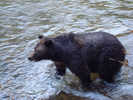
24 September 2011: This week we open a picture gallery devoted to the Grizzly Bear
17 September 2011: Our next walk in the Peak District takes us into the less familiar upper reaches of the Dover Valley, above Hartington.
21 August 2011: This gentle medium length walk around Near and Far Sawrey visits one of the tourist 'honey traps' in the Lakes - Beatrice Potter's Hill Top, before heading off into an alternative Lake District of quiet roads and empty paths, all within a few miles of Windermere's crowds.
14 August 2011: The awe inspiring Grizzly Bear is one of the largest and most powerful land carnivores in the world.
31 July 2011: Our third walk for 2011 is an ascent of Cat Bells from the side, avoiding the busy tourist path.
17 July 2011: Today we add three new picture galleries: the Dove Valley in the Peak District and Windermere and Coniston in the Lakes.
10 July 2011: The Orkney Vole is a sub species of the common vole which is unique to the Orkney Islands off the coast of Scotland.
15 June 2011: The European Hare is also known as the Brown Hare or Eastern Jackrabbit in the USA and is a native species to Europe and Western Asia.
24 April 2011: After a longer gap than expected our second walk for 2011 takes us up Glaramara from Seatoller in the Borrowdale Valley.
26 March 2011: The Brown rat is one of the most common mammals on the planet. It is also known as the common rat, sewer rat, Norway rat (although this is misnomer as the rat didn't evolve in Norway), wharf rat and the Hanover rat.
27 February 2011: The Sika Deer also known as the spotted or Japanese Deer is an introduced species in the UK.
29 January 2011: Effects of Heat and Cold on the Human Body: A look at the effects of Heat and Cold, from heat stroke to hypothermia.
22 January 2011: Today we open a picture gallery for Borrowdale
9 January 2011: We start 2011 with our eleventh walk, a low level walk in Eskdale
4 December 2010: We move a bit further afield today, with an article on the Great Bear Forest of Canada and a picture gallery for Canada.
13 November 2010: The grey squirrel is a common sight in most areas of the UK but is not a native animal.
16 October 2010: The Muntjac deer also known as the barking deer due to sound they often make in the wild is the smallest of the British deer species but it is not a native
18 September 2010: The Sparrow Hawk is one of the most common UK birds of prey with around 40,000 breeding pairs
29 August 2010: This week we open a photo gallery for Eskdale in the Lake District.
22 August 2010: Walk ten takes us up Rannerdale Knotts, a great viewpoint on the edge of Crummock Water looking towards the Buttermere Valley.
8 August 2010: Thor's cave is a well known and impressive sight in the Manifold valley of Derbyshire. It is an eerie sight and often mist covered with the rocky hill it resides in having been likened to a giant fang. We also add a small gallery of pictures of Thor's Cave.
1 August 2010: The American Mink is a harmful invasive species which has decimated local populations of birds, fish and water voles in areas of the UK
11 July 2010: This week we add a Walk in Miterdale in the western Lakes, and a picture gallery for Miterdale.
3 July 2010: The Walrus is an large marine mammal easily identified by its large tusks and long whiskers
26 June 2010: The Mountain Hare is the UK’s only native hare having been present since the last ice age
9 May 2010: This week we look at the Edible Dormouse, which was probably introduced into Britain in 1902.
25 April 2010: Today we add a new picture gallery dedicated to the Red Squirrel
18 April 2010: Our eighth walk takes us up Brund Fell from Watendlath, an isolated side valley off Borrowdale. We also add a small picture gallery for Watendlath
3 April 2010: We continue our series of survival articles with a look at Desert Survival
20 February 2010: Although very similar to the brown long eared bat the grey long eared bat is one of the rarest of British bats. Thought to be a different form of brown long eared bat it was classified a separate species in central Europe in 1960
6 February 2010: The Green Woodpecker is a fairly well known bird in most areas of the UK and the largest of the three resident Woodpeckers in Britain
23 January 2010: The Skomer Vole is a sub species of the Bank vole and is unique among British Voles in that it lives on an offshore Island, in this case the Island of Skomer in Pembrokeshire, Wales
9 January 2010: The Hoary bat is also known as the hairy tailed bat is mainly a North American bat where it is the largest bat species native to Canada, but it an occasional visitor to the UK
5 December 2009: After a long gap we return with our seventh walk, in the Langdale Pikes.
21 November 2009: The European Pine Marten also known as the Pineten is an attractive but increasingly rare member of the mustelid family of animals
1 November 2009: The Honey Buzzard is a striking summer visitor to the UK
3 October 2009: The British water vole is the largest of the Vole family found in the UK with adults reaching 22cm in length not including tail and weighing up to 300g
5 September 2009: The Black Rat is one of the most notorious of all animals, blamed for the Black Death
22 August 2009: A look at the Common Pheasant
1 August 2009: What to look for in a lightweight tent
18 July 2009: The Red Deer is one of the largest wild animals in the UK and our largest deer being one of only two species native to the UK
4 July 2009: Our first article on bats looks at the Barbastelle Bat (Barbastella barbastellus).
6 June 2009: Snowshoes are an ancient way of walking on deep snow. They work on a simple principle of spreading the weight of the wearer by increased surface area meaning that the wearer doesn’t sink so deep into the snow
9 May 2009: The Stoat is a small carnivore closely related to the smaller Weasel
19 April 2009: Today we look at the Europeon Mole
4 April 2009: Our second insect is the Red Tailed Bumble Bee
21 March 2009: Our first insect is the European Hornet.
15 March 2009: We move on to amphibians with a look at the Common Frog
28 February 2009: We complete our series of articles on British reptiles with the Common Lizard and the Slow Worm.
14 February 2009: We continue our look at British animals with the Smooth Snake and the Grass Snake
31 January 2009: We add a list of British Animals and an article on the Sand Lizard
17 January 2009: The Grey Heron is one of the most distinctive birds commonly seen in Britain. We also add a picture gallery for the Grey Heron.
30 October 2008: The Canada Goose is a common visitor to Britain, the Grey Phalarope much rarer.
10 October 2008: The Rabbit is the most often seen British wild mammal.
20 September 2008: We add to our picture galleries with a selection of woodcuts from A History of British Birds by William Yarrell of 1860
14 September 2008: Today we add a walk around Ladybower Reservoir in the Peak District
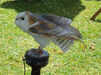
27 July 2008: We add articles on the Woodcock and the Barn Owl, and open a Barn Owl picture gallery
12 July 2008: Walk five takes us through Whinlatter Forest
5 July 2008: Walk four is an ascent of Haystacks from Buttermere
24 May 2008: We continue with the Carrion Crow, Hooded Crow, Jackdaw and Raven
26 April 2008: We start a series looking at British birds with the Rook
12 April 2008: Three new plants - Fern, Foxglove and Yew Tree
8 March 2008: Today we add five new plant articles, on Hawthorn, Common Sorrell, Wood Sorrell, Good King Henry and Walnut and a new seed shop
26 January 2008: A look at animal bites
12 November 2007: A look at UK Mountain Rescue
17 September 2007: A walk on Kinder Scout, in the Peak District.
30 July 2007 : New article on Arctic Survival
7 July 2007: Contour map of the Peak District
31 May 2007: A new section of reviews of books relating to Pagan faiths
13 May 2007: Contour map of the Lake District
3 May 2007: Our second walk takes us up Lose Hill in the Peak District, starting from Castleton.
18 April 2007: Knapweed is a distinctive hairy perennial which is common in the UK
We have also started a series of book reviews, where we have now added a section on climbing and rope work.
We have recently walked the length of Hadrian's Wall for the Perthes Disease Association
Contact us on info@storm-crow.co.uk